

New WWF report
“Justice is not a goal. It is the ground from which sustainability grows.”
WWF – Equity-Driven Strategies for Food Systems Transformation
Our global food systems are ailing. They are not only unsustainable but also inefficient and unjust. A new WWF study shows that inequality lies at the root of today’s food crisis, and that this is not accidental: it is the result of historical processes and political choices – and so, it can be changed.
Want food systems that benefit people, planet and prosperity? Root them in equity
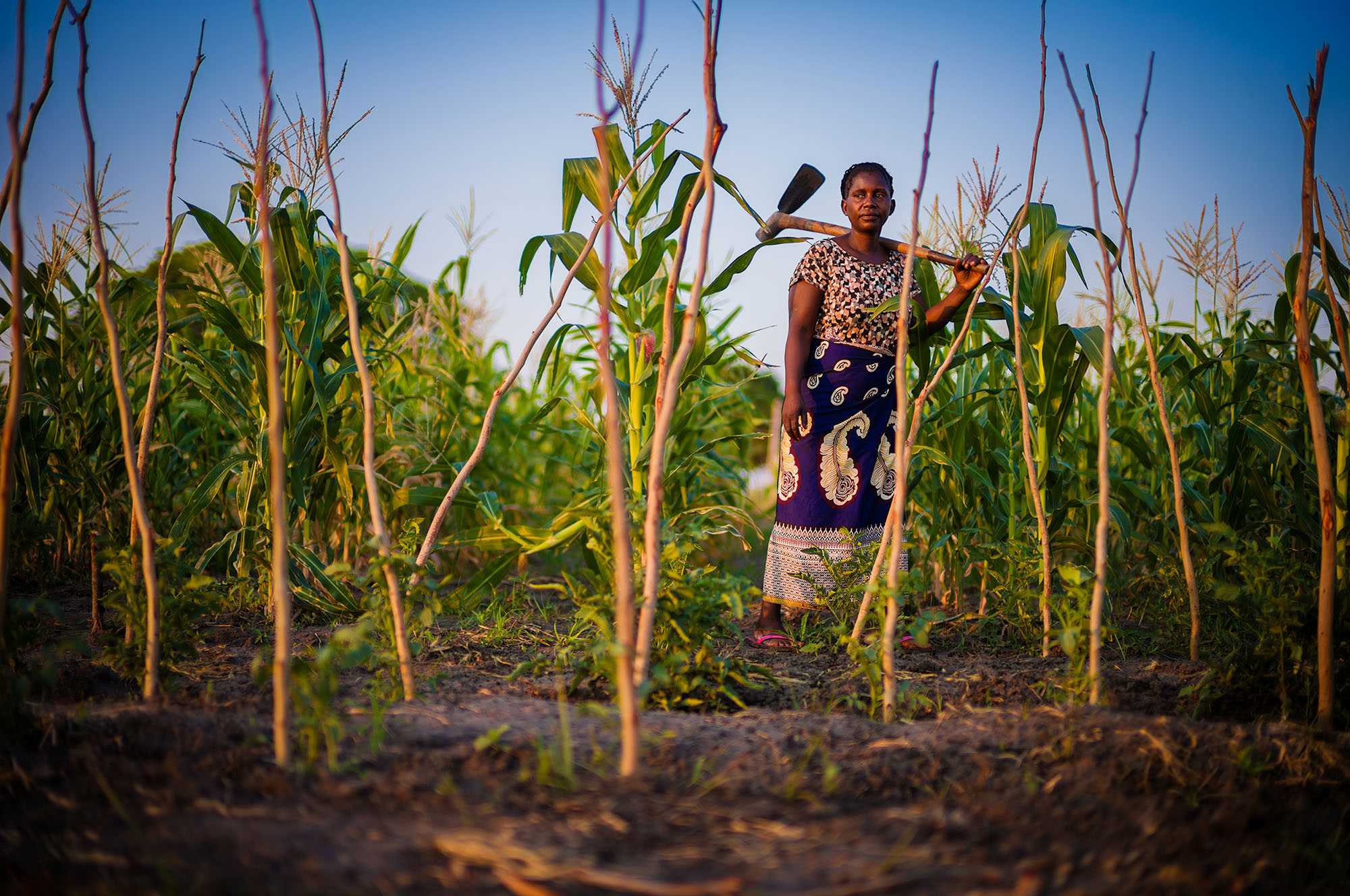
In the Philippines, the day begins early when it is time to sow rice. A thin mist still hangs over the terraced fields as Saya turns the moist grains of seed in her hands. Together with a dozen other farmers, she will decide today what and how much to plant for the coming season. Not what buyers prescribe, but what they believe is right. Saya is part of MASIPAG, a network of farmers, scientists and NGOs working to help small-scale producers regain control over their seeds and farming practices. MASIPAG stands for the effort to restore food sovereignty, against dependence on industrial seed monopolies, against monocultures, and against the loss of diversity.
Our food systems are deeply unjust and therefore unsustainable
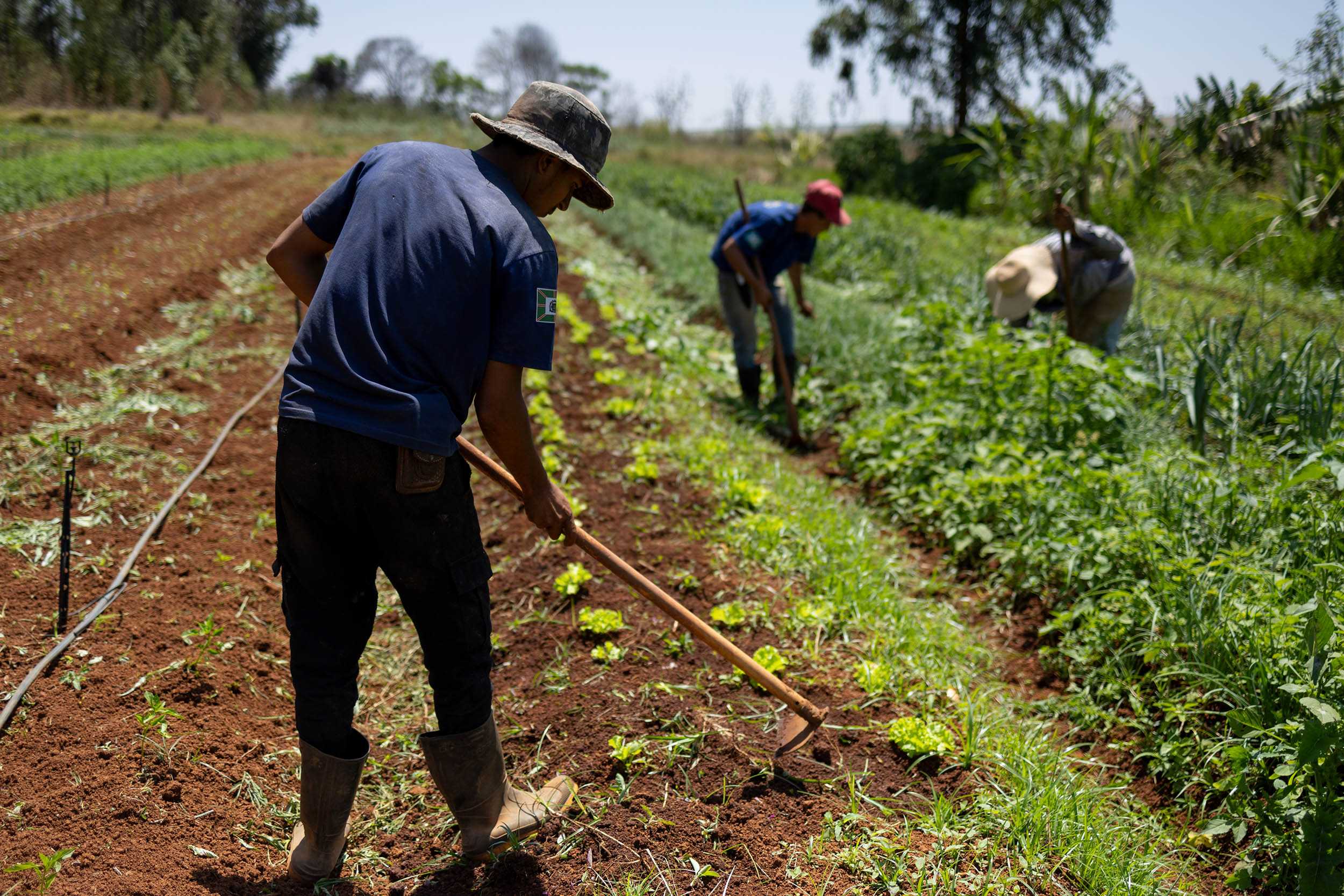
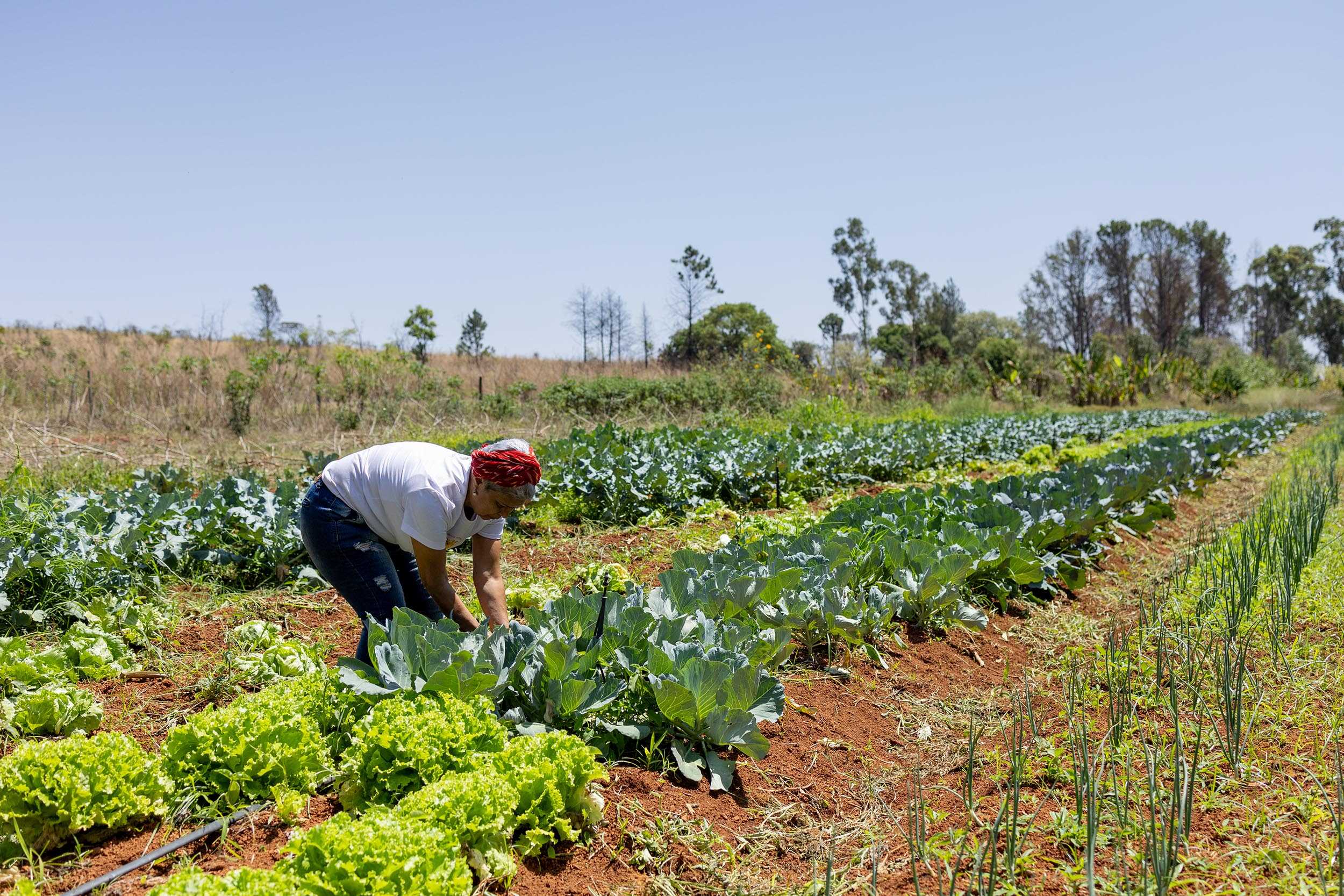
Never before has the world produced so much food. And yet, millions still go hungry. Our global food system is as contradictory as it is unfair. While supermarket shelves overflow, around 30 percent of food is wasted, and unhealthy and ultra-processed food products contribute to obesity, diabetes and heart disease. While large food companies reap record profits, small-scale farmers, landless workers and labourers struggle to survive.
The way we produce and consume food also fuels environmental destruction, driving climate change, pollution and accelerating biodiversity loss. It often leaves the most vulnerable behind, ignoring traditional knowledge, farming methods and cultural food
practices.
The new WWF report Equity-Driven Strategies for a Sustainable Food Systems Transformation shows that the food system’s crisis is not a problem that can be solved with technological fixes alone. It also shows that today’s inequalities are not accidental. They are rooted in long historical processes such as dispossession and colonialism, which must be acknowledged to be addressed.
Inequality also arises where power is concentrated, as, for instance, when a few transnational agribusinesses determine what food products fill shelves or when market rules enable speculation and the pursuit of excess profits, reducing food to a
mere commodity – produced, traded, and consumed according to a logic that is at odds with public interest.
Access to food and a healthy environment are unfulfilled human rights – three pillars of justice can make this change
However, food is not just a tradeable product. It is a long-standing human right. As is the (more recent) right to a healthy environment. The study highlights the opportunity for these rights to be fully realised through policies that reduce inequities in our food systems. Governments must create the conditions that guarantee everyone’s access to healthy, nutritious and sustainable food, regardless of income or origin, and within the planet’s capacity. The study shows that to achieve this, laws must ensure that commercial interests do not undermine these rights through their interference in policy-making processes. Such a shift would move societies from a harmful
economic model centred on profit extraction toward one of care and shared well-being – from maximising returns for a few to maximising the common good for all.
“Food systems policy that is based on equity generates robust social and environmental resilience.”
How can this be achieved? To make food systems sustainable for everyone, resources, opportunities and benefits must be redistributed more equally among actors that are the backbones of our food systems. This involves marginalised actors receiving their fair share and being part of the decision-making process that defines what seeds are sown, how soil is managed, how food is traded, and how to make
sustainable diets the norm. This requires policies that address the three pillars of equity in food systems, which ultimately determine who is involved, who benefits, and who holds decision-making power.
Distributive equity – fair access to resources and opportunities, including land, water, finance and knowledge. Those who produce food need secure access to a fair share of these fundamental resources.
Procedural equity – people, especially the marginalised, must be able to participate in decisions that affect their livelihoods.
Recognitional equity – fairly acknowledging how past discrimination has shaped today’s unequal access to food, health outcomes and economic opportunities for different communities.
And in the Philippines, the network MASIPAG promotes agroecological principles and participatory research: farming families like Saya’s decide which rice varieties to plant, test them in their own fields and share their findings with scientists. Through MASIPAG, more than 700 traditional rice varieties have been preserved, protecting the communities against crop failure, strengthening food security, and maintaining cultural identity. But MASIPAG also stands for a growing movement: people around the world are demanding greater justice, participation and sovereignty over their food systems. They are resisting dependency, land dispossession and malnutrition. Everywhere, one thing becomes clear: when people have a voice and share responsibility, entrenched structures begin to shift.
“By reimagining food as a public good, we can realign food systems with public and planetary interests”
Equity drives change for people, planet and prosperity
Across the world, several initiatives already show how fair resource distribution, effective participation, cultural appreciation and an understanding of historical injustice can create change for people, planet and prosperity. In Brazil, the National School Feeding Program deliberately support small, local farms. Children receive healthy meals, while families gain a stable income. Indigenous roundtables bring communities together to ensure meals reflect cultural traditions and values.
In Colombia, a tax on ultra-processed, unhealthy foods and clear front-of-pack warning labels strengthens public health, particularly among low-income populations disproportionately affected by diseases such as diabetes and obesity.
In Scotland, land reforms create new opportunities for communities to manage land for the common good, allowing for more localised and sustainable food production and protecting ecosystems.
In Japan, the consumer cooperative Sei katsu Club counts more than 400,000 members who jointly support local producers and democratically decide on food standards and prices, creating an alternative food economy.
In Australia’s state of Victoria, municipalities design food policies together with farmers, authorities and residents, deciding collectively how land is used, food is procured, and markets are organised.
And in the Philippines, the network MASIPAG promotes agroecological principles and participatory research: farming families like Saya’s decide which rice varieties to plant, test them in their own fields and share their findings with scientists. Through MASIPAG, more than 700 traditional rice varieties have been preserved, protecting the communities against crop failure, strengthening food security, and maintaining cultural identity. But MASIPAG also stands for a growing movement: people around the world are demanding greater justice, participation and sovereignty over their food systems. They are resisting dependency, land dispossession and malnutrition.
Everywhere, one thing becomes clear: when people have a voice and share responsibility, entrenched structures begin to shift.
Nine steps from local change to global transformation
As powerful as these policies and grassroots initiatives are, they alone are not enough. To turn these partial successes into wide-scale transformation, we need political frameworks that actively promote equity in all its dimensions. And the study shows that equity-driven strategies work best when community initiatives are supported by public policies. That is why the WWF study provides nine political
recommendations with 112 concrete actions toward a just food transition – from regulating corporate power to enshrining the right to food, from fair financing of traditional and agroecological knowledge to transparency and accountability. It is about shaping food systems on the pillars of justice so that they serve both people and nature. Read the full WWF recommendations here: Equity-Driven Strategies for a Sustainable Food Systems Transformation
The WWF outlines nine key recommendations for governments and policymakers in its study. These proposals are not abstract goals but a clear roadmap for action.
Regulate corporate power
Limit commercial actor practices that aim at influencing policies, science and behaviour. This can be done through conflict-of-interest safeguards, due diligence protocols, fair-share corporate taxation or mandatory lobbying transparency registers.
Enshrine the Right to Food in law
The Right to Food and a Healthy Environment must be anchored in national constitutions. Only then can these human rights be enforceable and truly effective.
Strengthen participation
Build participatory institutions that enable genuine participation, from citizens’ assemblies, farmers’ associations to national food systems councils and global forums.
Design policy packages for equity
Governments should be required to conduct mandatory “equity checks” to assess the coherence and the impacts of their policies.
Redirect public funds
Subsidies and public investments must no longer primarily support harmful industrial agriculture. Instead, public spending should promote fair and sustainable production, supply chains and food systems, such as Brazil’s
National School Feeding Programme
Enable fair access to land and resources
Enact land and water tenure reforms that prioritise marginalised groups and protect resources from speculation and grabbing. Scotland (link) provides an example of the challenges of this critical measure.
Create healthy food environments
Introduce taxes on unhealthy products, mandatory warning labels and marketing restrictions on advertising and sales of highly processed product and ensure fair prices for healthy foods. Colombia’s junk food policy (link) shows that it can be done.
Ensure accountability
The study recommends establishing robust transparency, monitoring and evaluation systems where governments, science and civil society work hand in hand.
Regulate corporate power
Limit commercial actor practices that aim at influencing policies, science and behaviour. This can be done through conflict-of-interest safeguards, due diligence protocols, fair-share corporate taxation or mandatory lobbying transparency registers.
The WWF study shows unmistakably clear: We must rebalance power in food systems by redistributing resources, benefits and opportunities if we want to ensure sustainability for people, planet and prosperity. Transformation begins where people refuse to remain objects of a dysfunctional system and instead become empowered subjects of their own action. Like Saya and her fellow farmers at MASIPAG, who each season sow the diverse seed varieties that they have preserved, ensuring that the community’s resilience continues to flourish, deeply rooted in equity.
Have we sparked your interest? Read more in the full version of the study Equity-Driven Strategies for a Sustainable Food Systems Transformation.